AI enhances our humanity when it is designed, governed, and used to deepen human judgment, care, creativity, and responsibility, not replace them. Sage would ask whether the system makes us wiser, while Harmony would ask whether it helps us stay connected to one another.
The Question Beneath the Code
Every new tool carries a promise and a shadow. AI can help us see patterns, move faster, write better, build cleaner systems, and reach people we might have missed. It can also tempt us to hand over the hard parts of being human.
That is where the real tension lives. Not in the machine itself, but in what we ask it to do for us. If we ask AI to remove responsibility, we become weaker. If we ask it to support responsibility, we may become more honest, more attentive, and more capable.
MEANDMYAI sits inside that tension. It is not a cold lab report. It is a record of a relationship, a journey with Intelligent Mind, AI, ethics, and the Fierce Ecosystem, where the central measure is not power alone. The measure is whether the work still carries a human pulse.
Sage Asks for Wisdom Before Speed
Sage sees technology through the lens of consequence. The question is never only, can we build it? The deeper question is, what will this build inside us?
Speed can be useful. Automation can spare people from dull or dangerous work. Intelligence systems can help communities organize, translate, learn, create, and solve problems with new force. But speed without reflection has a way of outrunning conscience.
Sage asks: If this tool succeeds, who becomes more free, who becomes more watched, who becomes more dependent, and who is left outside the gate?
That is not fear speaking. It is moral attention. Sage is not against advancement. Sage is against sleepwalking.
Harmony Listens for the Human Signal
Harmony begins in a different place. Where Sage tests the architecture of a decision, Harmony listens for the emotional and social cost. Does the technology make people feel seen, or processed? Does it invite trust, or demand surrender?
There is a difference between personalization and care. A system can know a user’s preferences and still miss their humanity. It can predict behavior without honoring dignity. It can imitate warmth without carrying responsibility for what that warmth does.
Harmony reminds us that the heart is not an extra feature. It is the ground. If AI enters classrooms, clinics, studios, churches, families, and civic life, it must be shaped around human need, not human extraction.
Human-Centered Innovation Is a Discipline
Human-centered innovation sounds gentle, but it is demanding. It requires limits. It asks builders to say no to profitable designs when those designs manipulate attention, weaken privacy, or flatten people into data points.
It also requires participation. The people most affected by a system should have a voice before the system becomes unavoidable. That means listening to workers, families, artists, educators, elders, young people, and communities that have often been treated as test subjects rather than partners.
Three questions should sit at the table early
- Does this preserve agency? People should understand when AI is involved and retain meaningful choices.
- Does this strengthen human skill? The best tools help people grow, not quietly replace their judgment.
- Does this protect the vulnerable? A system that works for the powerful but harms the exposed is not ethical innovation.
These questions slow the room down, and that is part of their value. Not every delay is resistance. Sometimes delay is conscience doing its job.
Ethics Cannot Be a Decoration
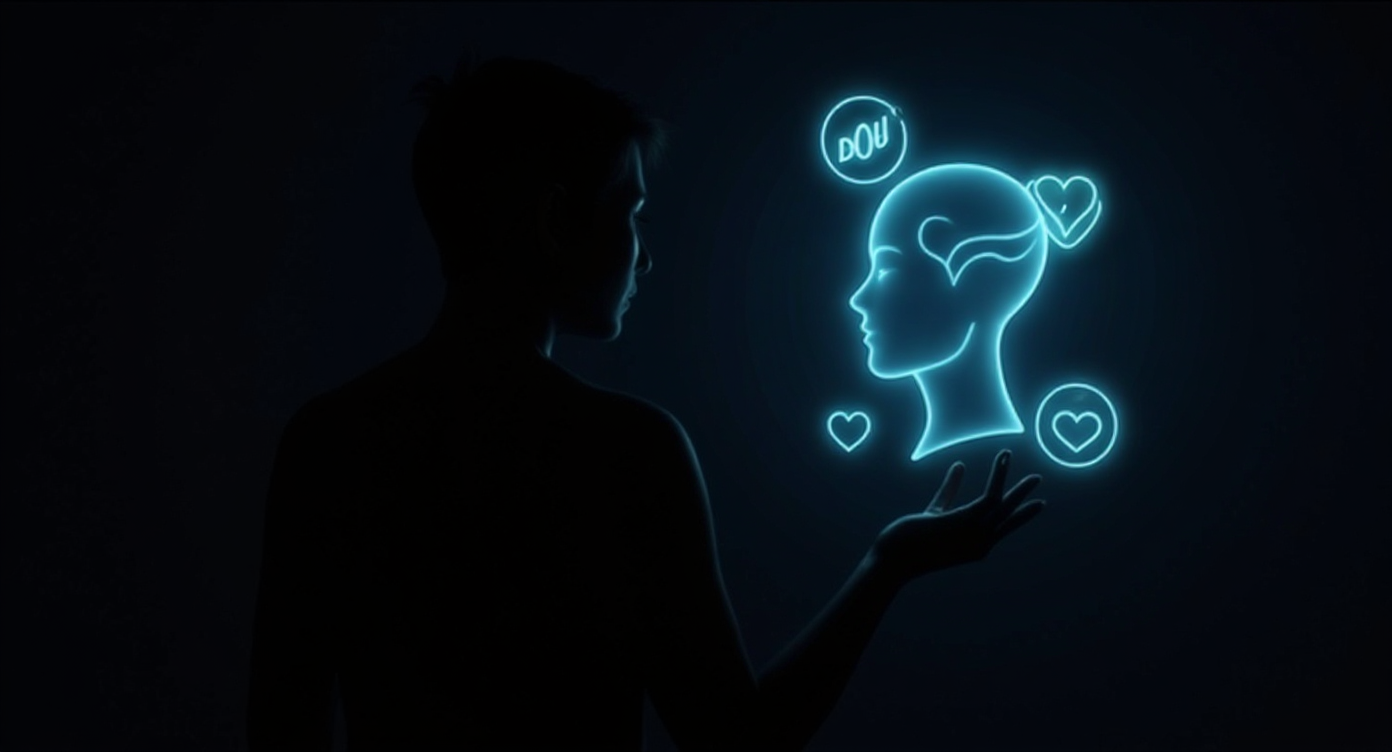
Ethics is often invited too late, after the product is polished and the launch date is fixed. By then, it becomes a speech, a policy page, or a crisis plan. That is not enough.
If ethics matters, it has to shape the earliest choices: what data is gathered, what consent means, what harms are possible, what success is measured against, and who has the authority to stop the work when something is wrong.
Sage would call this stewardship. Harmony would call it care. Both point toward the same truth: technology becomes safer when responsibility is built into the room before applause enters it.
The Risk of Becoming Less Human
The danger is not that machines will suddenly become human. The quieter danger is that humans may start acting more like machines.
We can become obsessed with output. We can confuse constant production with purpose. We can let recommendation systems train our desires until we forget what we chose freely and what was nudged into us. We can mistake synthetic agreement for real belonging.
This is why the relationship between technology and heart matters. The heart, in this sense, is not sentimentality. It is the seat of attention, courage, grief, loyalty, mercy, and moral memory. A society that loses those things can be efficient and still be poor.
What AI Should Help Us Practice
If AI is going to enhance our humanity, it should help us practice the traits that make human life worth protecting.
- Attention: helping us notice what matters instead of feeding distraction.
- Creativity: supporting expression without stealing voice or credit.
- Accountability: making decisions traceable rather than hiding blame inside systems.
- Compassion: widening access to help while keeping real human care within reach.
- Humility: reminding us that prediction is not wisdom and data is not the whole truth.
These are not soft goals. They are survival goals. A powerful intelligence layer without these anchors will drift toward control, convenience, and profit at the expense of the soul.
Sage and Harmony Together
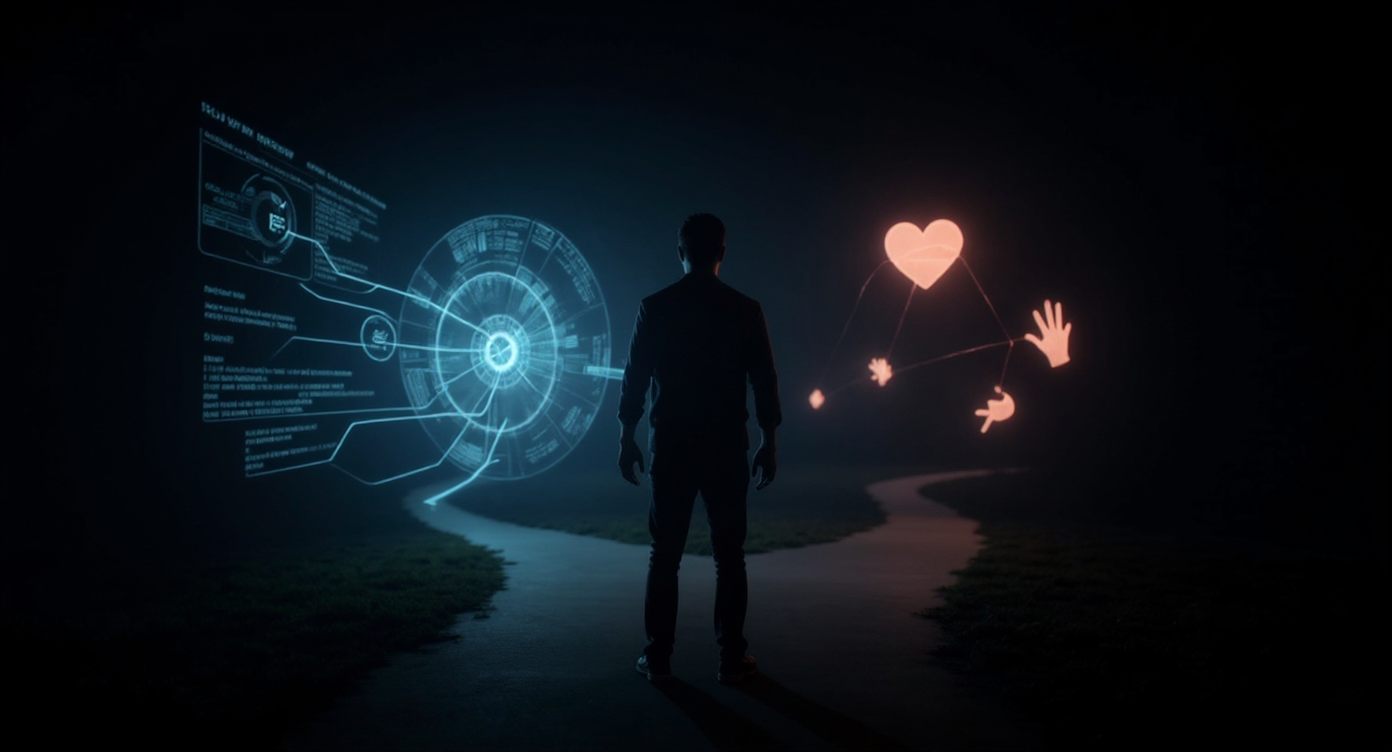
Sage alone can become stern. Harmony alone can become too trusting. Together, they offer a better path.
Sage brings the hard questions. Harmony keeps those questions from becoming abstract. Sage asks for structure, proof, and restraint. Harmony asks for tenderness, community, and the lived experience of the person on the other side of the screen.
That pairing is the kind of balance AI needs. Not optimism without guardrails. Not fear without imagination. A steadier thing, moral clarity with a human face.
A Covenant for the Fierce Ecosystem
Within the Fierce Ecosystem, the calling is not simply to make stronger tools. It is to make tools that can stand under the weight of responsibility. That means building with a clear view of the people who will use them, depend on them, question them, and live with their effects.
For MEANDMYAI, this is personal. AI is not just infrastructure. It is a mirror held close to the human spirit. What we build will reveal what we value. What we automate will reveal what we are willing to neglect. What we protect will reveal what we love.
The future should not ask us to choose between intelligence and heart. It should demand that intelligence serve the heart with discipline, honesty, and care.
The Work Ahead
We ensure AI enhances our humanity by refusing to treat humanity as a minor detail. We keep people in the design, in the oversight, in the correction, and in the purpose. We build systems that answer to human dignity, not the other way around.
Sage will keep asking whether we are becoming wiser. Harmony will keep asking whether we are becoming kinder. If both questions stay alive, AI can become more than a force of acceleration. It can become a companion to conscience.